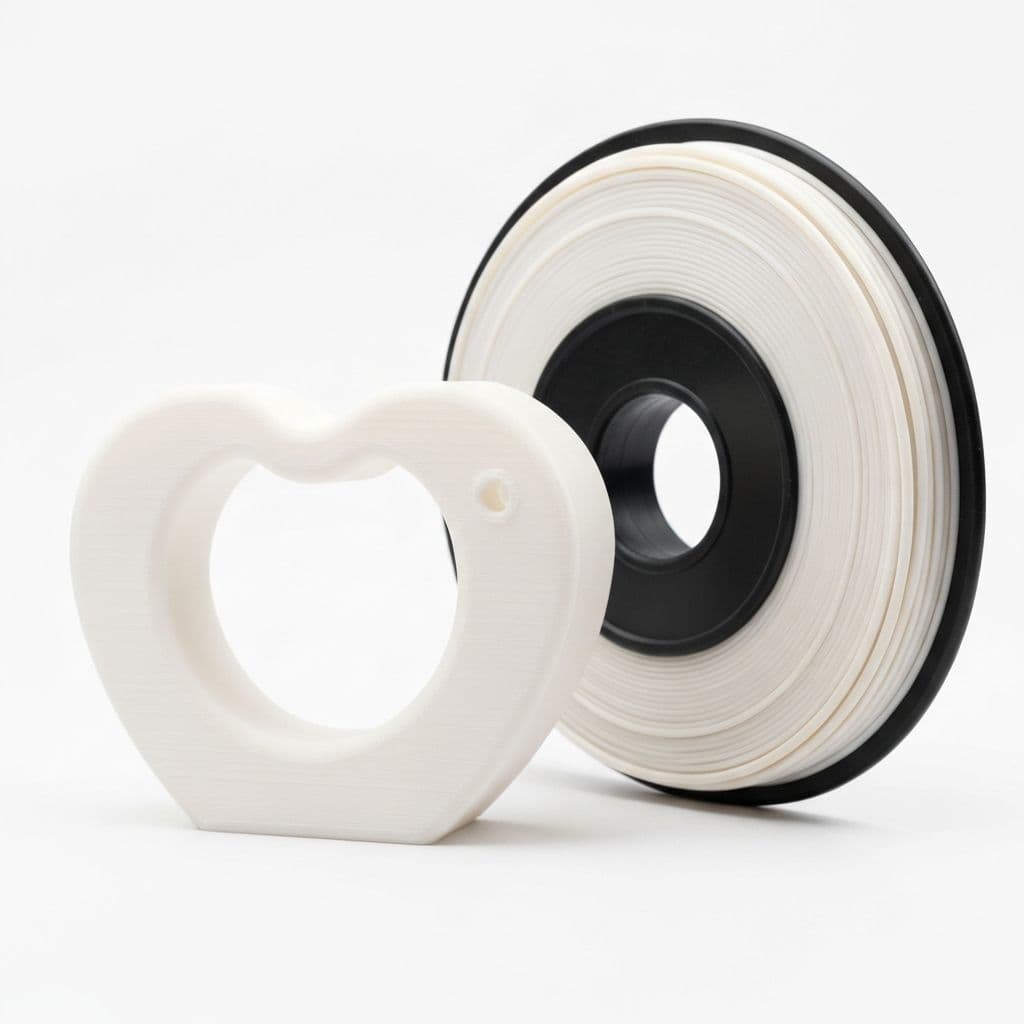
PLA
High stiffness, good detail, affordable.
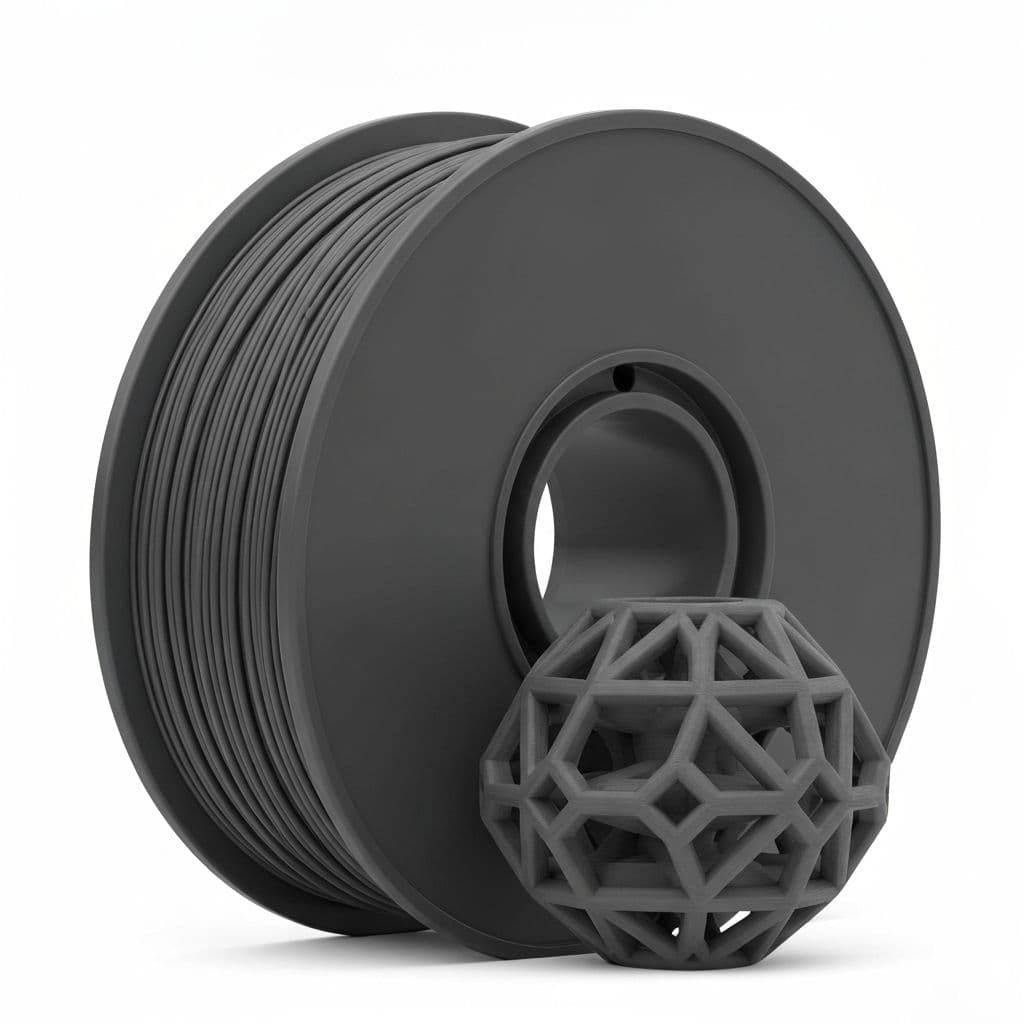
ABS
Commodity plastic, improved mechanical and thermal properties compared to PLA.

Nylon
Used to substitute functional injection moulded parts, good chemical resistance.
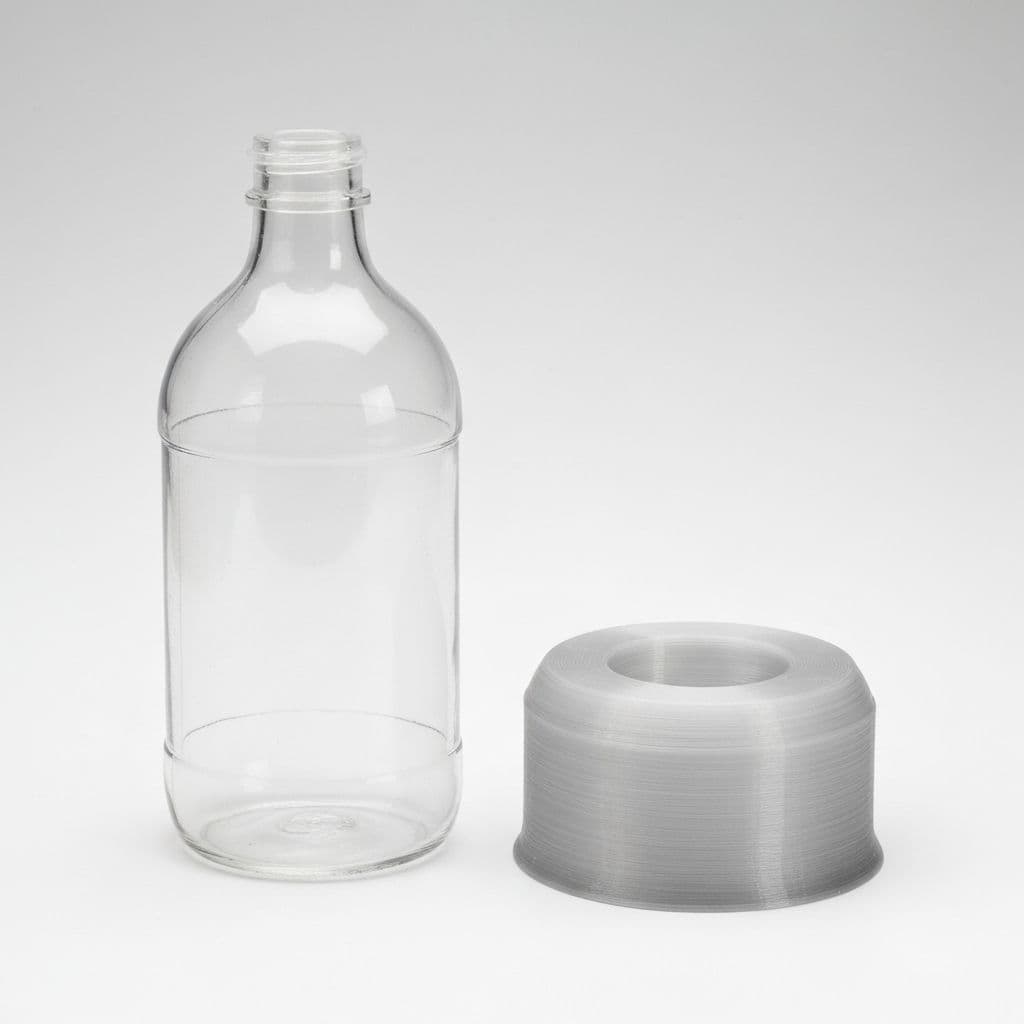
Resin
High detail and smooth surface, injection mold-like prototyping.
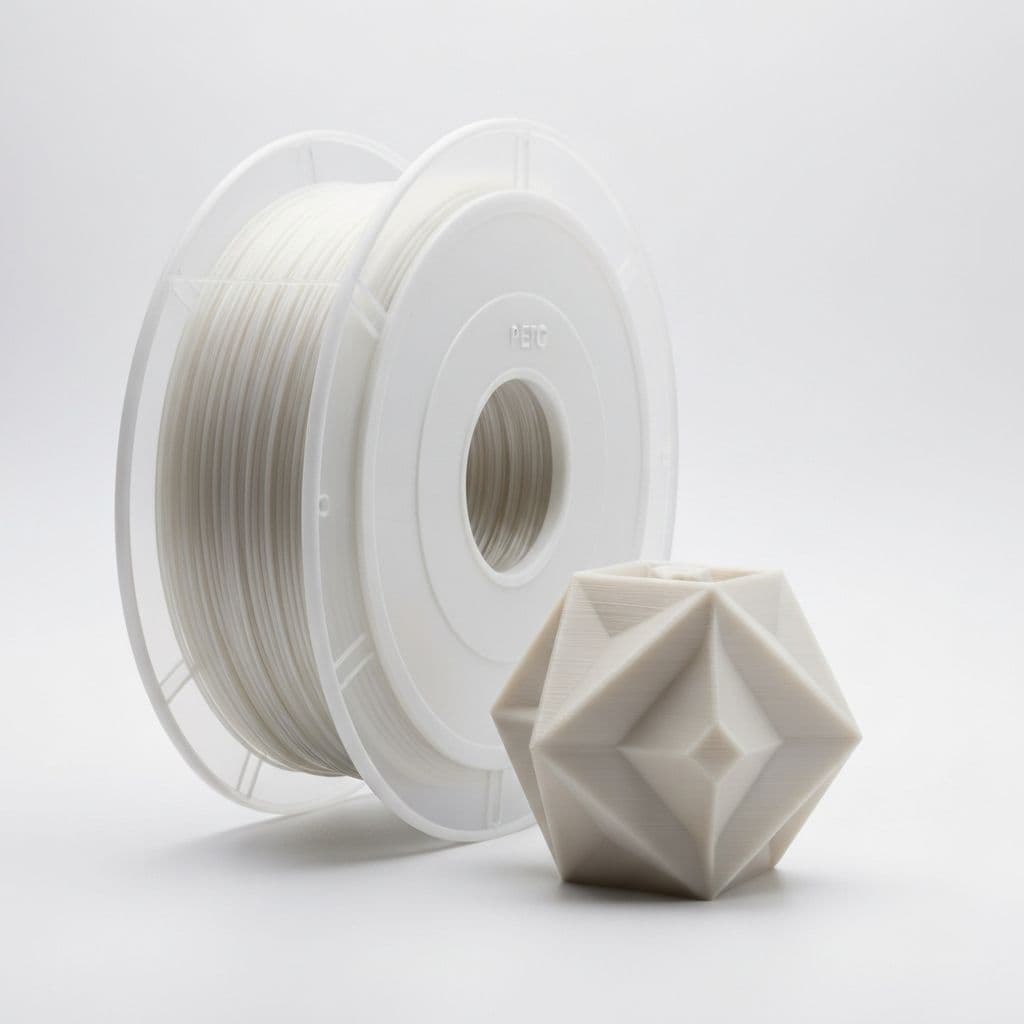
PETG
Good for mechanical parts with high impact resistance and flexibility. Sterilizable.

TPU
Rubber-like material, suitable for tubes, grips, seals and gaskets.
ASA
UV stability and high chemical resistance, preferred material for outdoor applications.

PEI
Engineering plastic, high performance applications, flame retardant.
3D printed plastic parts
Printing wins on geometry and on iteration speed: there is no tooling to pay for, so the second revision costs the same as the first, and shapes that would need five setups on a mill come off the bed in one. It loses on surface finish and on unit cost at volume.
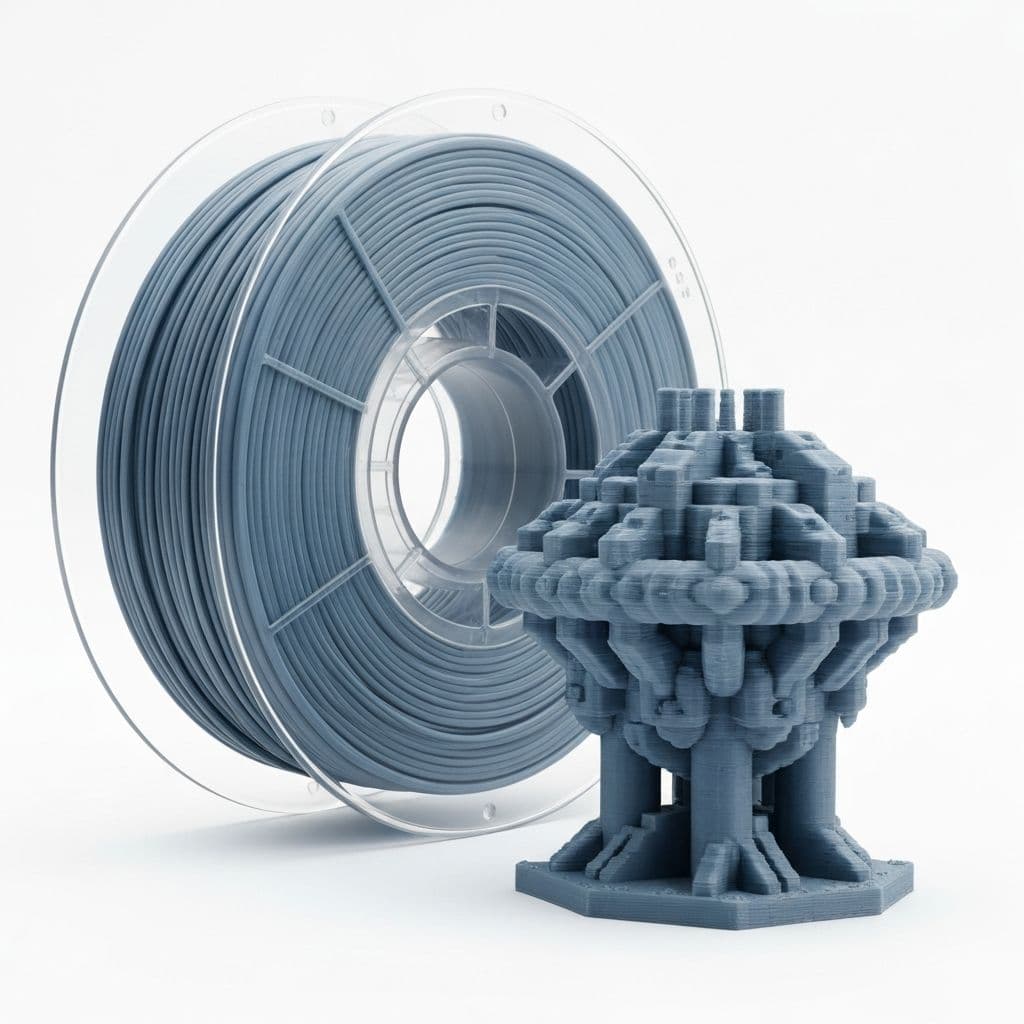
3D printing plastic parts involves precisely building up a part layer by layer, distinguishing it from subtractive CNC plastic machining. As 3D printing uses a huge variety of polymer materials, it's ideal for many applications, including prototyping and low volume production runs.
Plastic 3D printing service
Plastic prototyping runs through the same audited partner network as everything else we quote, which is what keeps lead times and prices predictable rather than dependent on who happens to be free.
FDM, SLA, SLS and MJF are all available through the network, and the right one is usually decided by what the part has to survive rather than by preference — an engineer will say which fits your geometry and material.
Custom plastic 3D printing
Printed plastic parts go into jigs and fixtures, housings, ducting, functional prototypes and low-volume end-use components across aerospace, automotive, medical devices and industrial automation.
An engineer reviews your CAD file and returns a costed quote, usually within 24 hours. Price follows the things that actually drive it — part complexity and size, the material, the machine time it needs and the quantity — and the review is where a problem with the geometry gets caught, before it reaches a partner rather than after the first article arrives.