Surface finishes
Bead blasting services
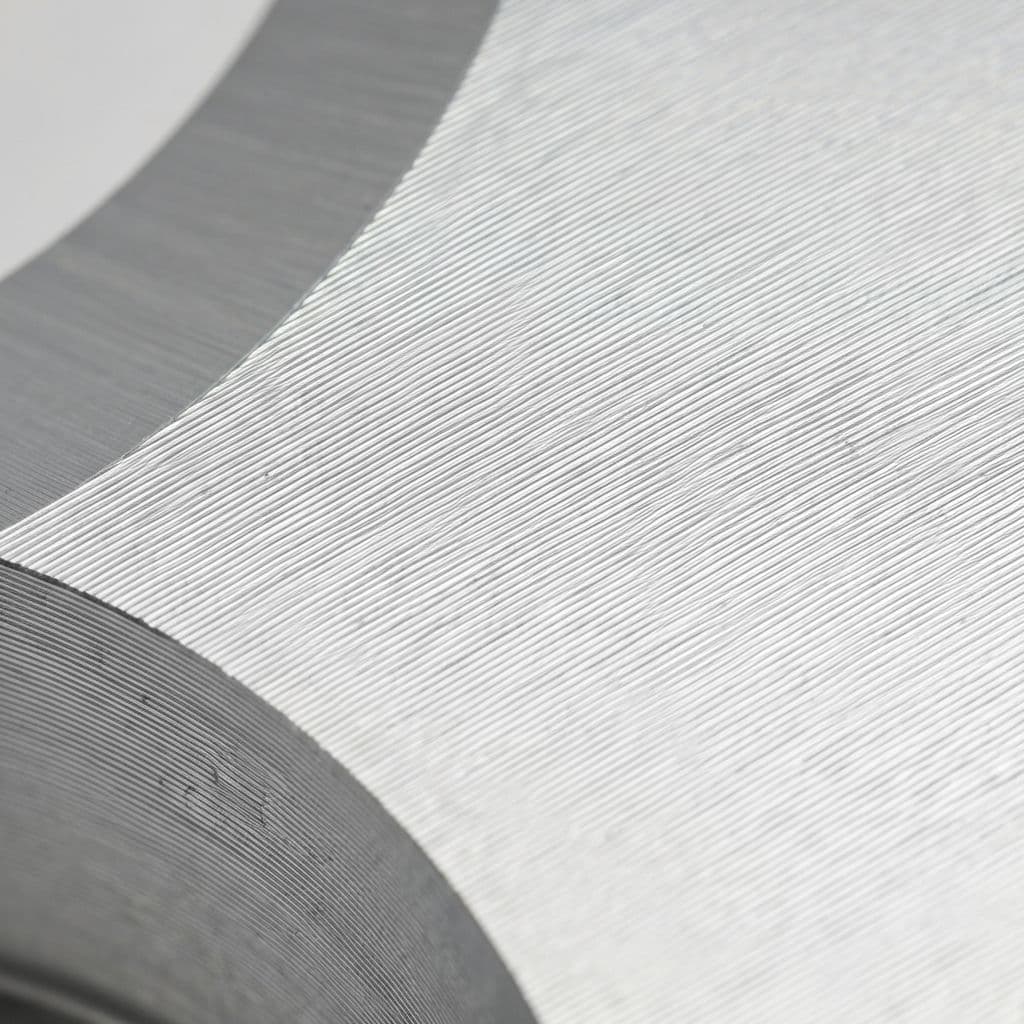
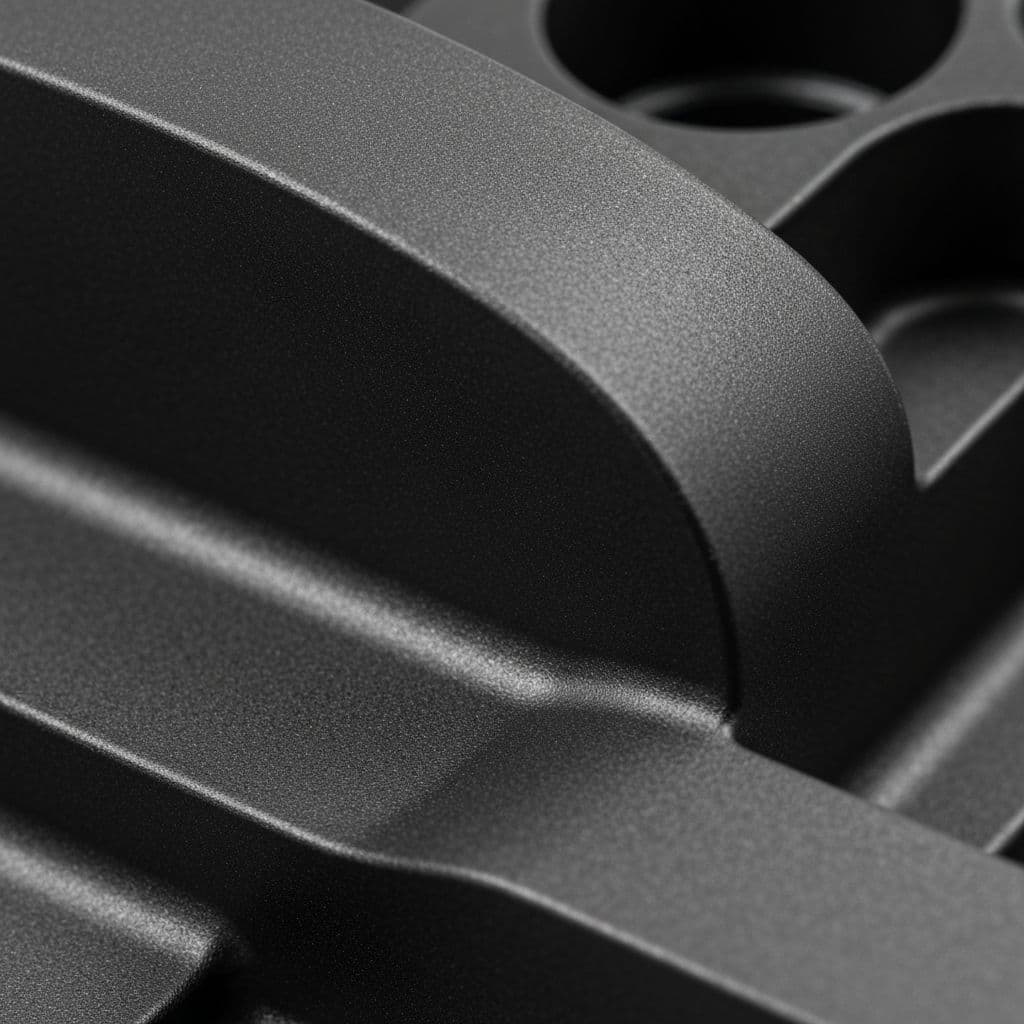
Bead blasting replaces the directional marks left by a cutting tool with an even, non-directional texture. Glass beads are driven at the part under pressure; the surface that comes back is matte or satin depending on bead size, and consistent across every face the operator can reach. Ask for the cosmetic grade where appearance is the point rather than deburring.
Request a QuoteBead blasting specifications
| Applicable materials | Media | Cosmetic availability | Visual appearance |
|---|---|---|---|
| Aluminum, Copper, Mild steel, Titanium, Brass, Alloy steel, Stainless steel, Tool steel | Glass beads with grit #120 | Cosmetic upon request | Grainy, slightly matte texture. Machining marks are reduced for "non-cosmetic" options and entirely removed on primary surfaces for "cosmetic" options. |
Example of a bead blasted part
How does a bead blasting surface finish work?
The bead size sets the result. Coarse beads cut faster and leave a grainy matte surface; fine beads leave a closer, satin sheen. Because the media strikes from every angle rather than travelling in one direction, the finish does not carry the tool path the way an as-machined surface does. It also knocks down the light burrs machining leaves at edges and hole breakouts, which is why it is often specified for function rather than looks.
Metal Market offers bead blasting for metal parts to improve functional and cosmetic properties. To find out more, contact sales@metal-market.in.
The Metal Market bead blasting process
Here's how Metal Market bead blasts your custom parts:
Parts are first manufactured using a CNC machine
Operators send parts to a bead blaster right after machining
Parts are blasted with glass media (grit #120)