Surface finishes
Electroless nickel plating services
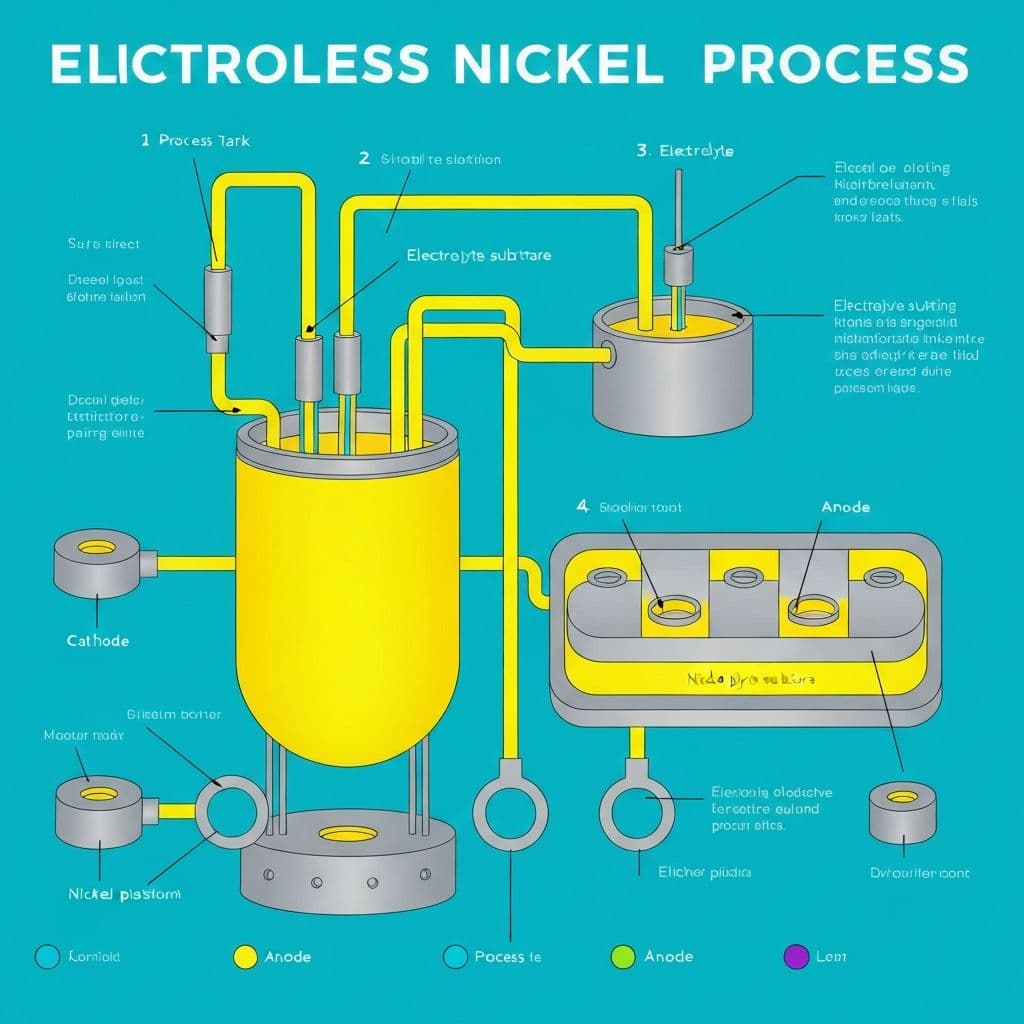
Electroless nickel plating lays down a nickel-phosphorus alloy by chemical reaction alone, with no current passed through the part. That is the useful part: without an electric field there are no high-current edges, so the deposit lands at the same thickness on a bore, a blind pocket and an outside face.
Request a Quote| Surface preparation | Tolerances | Cosmetic availability | Thickness | Visual appearance |
|---|---|---|---|---|
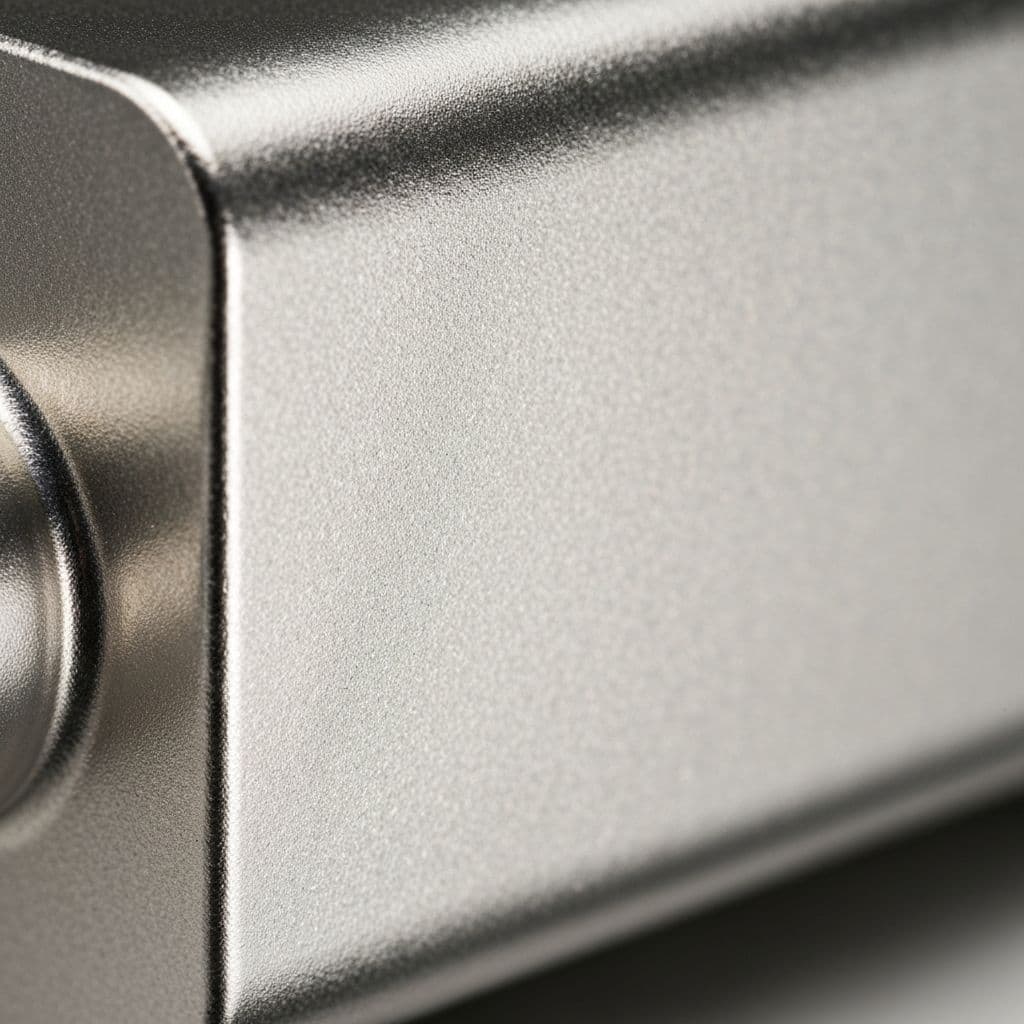
| Smooth machined (Ra 1.6μm / Ra 63μin) | Apply after Electroless nickel plating | No | 3μm to 40μm | Electroless nickel plated parts will have a smooth, semi-bright appearance. |
Example of an electroless nickel plated part

Design considerations for electroless nickel plating
Masking:
The deposit is thin and even enough that most parts hold their tolerances without masking. Tell us if a feature is critical and it will be checked rather than assumed.
The Metal Market electroless nickel plating process
It resists wear, abrasion and corrosion, and runs on aluminium, stainless steel and mild steel — which is why it turns up on hydraulic and food-contact parts where a harder surface is wanted without a dimensional penalty.
Here's how to apply electroless nickel plating:
Parts are first washed and degreased to remove any contaminants, cleaning away any grease or oil
An acid dip then strips the oxide layer and leaves the surface chemically ready to accept the deposit.
The part goes into the plating bath, where the nickel-phosphorus alloy builds at a steady rate until it reaches the specified thickness