Surface finishes
Powder coating services
Powder coating puts a genuinely thick, hard-wearing layer on a metal part — thicker than anything a conversion coating or anodise can give. It works on any metal we machine, in gloss or matte, and it is the finish to ask for when the part will live outdoors or be handled.
Request a Quote| Surface preparation | Colors* | Glossiness | Cosmetic availability | Thickness | Visual appearance |
|---|---|---|---|---|---|
| As machined (Ra 3.2μm / Ra 126μin) | White, Black, RAL and Pantone | Glossy (Above 70 GU) | No | 50μm to 150μm | Parts are powder coated directly after machining. |
| As machined (Ra 3.2μm / Ra 126μin) | White, Black, RAL and Pantone | Matte (Below 30 GU) | No | 50μm to 150μm | Parts are powder coated directly after machining. |
Color options for powder coating

Black
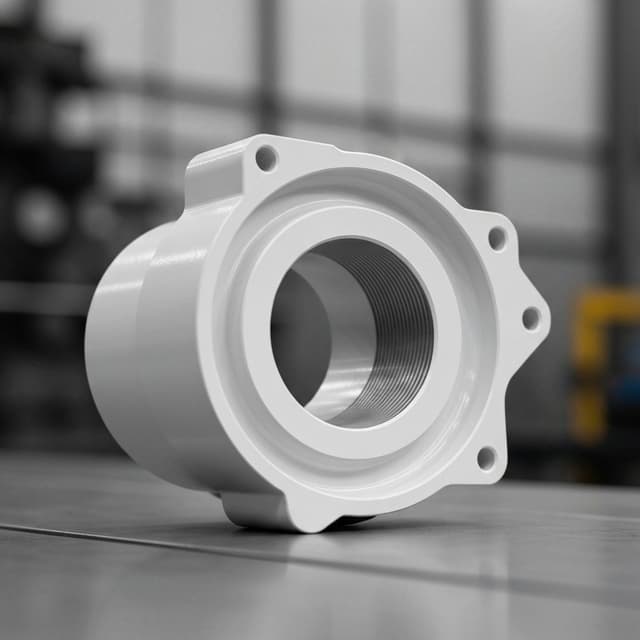
White
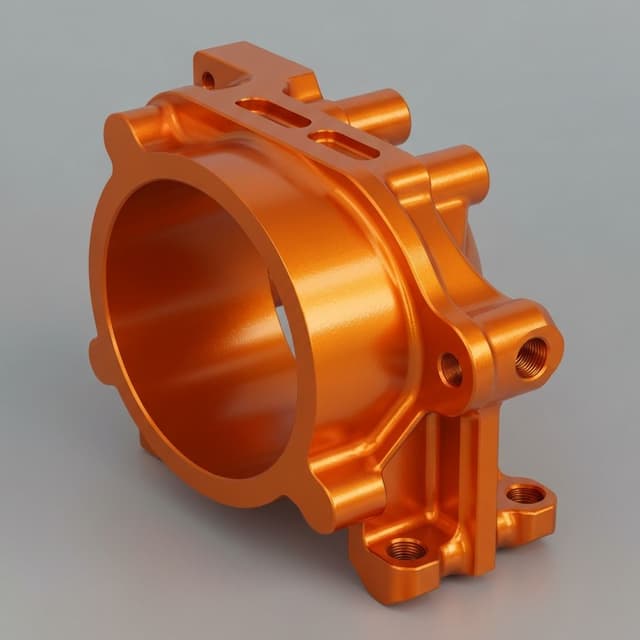
RAL color
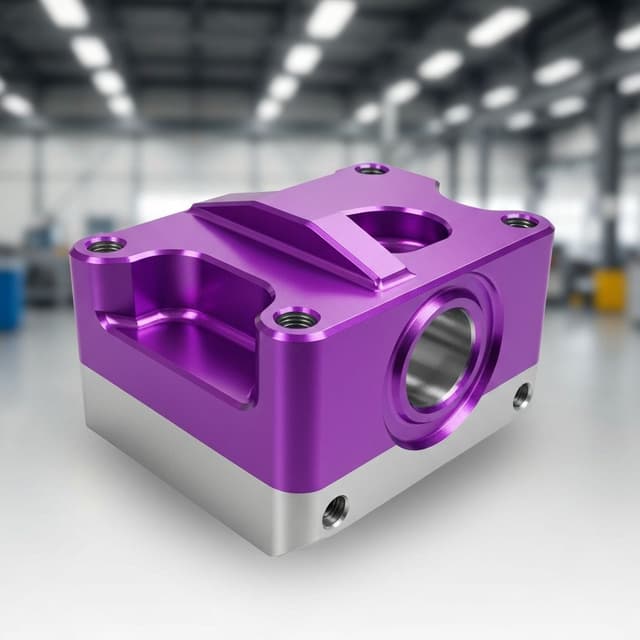
Pantone color
Gloss options for powder coating
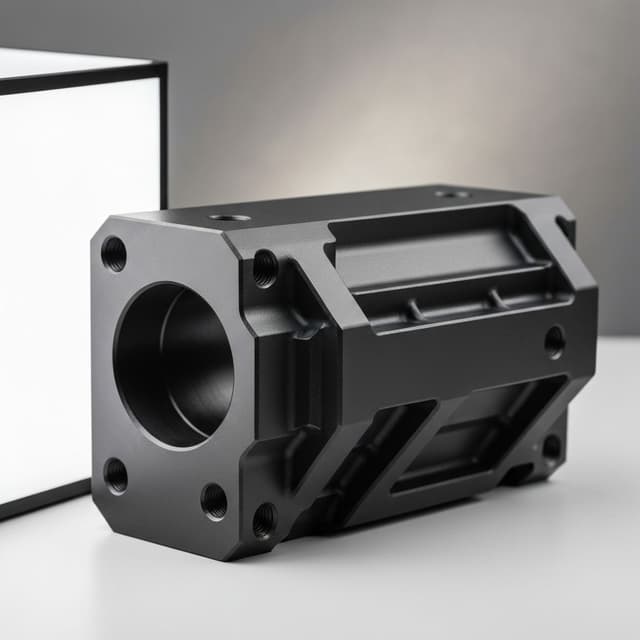
Smooth matte
16 to 25 units
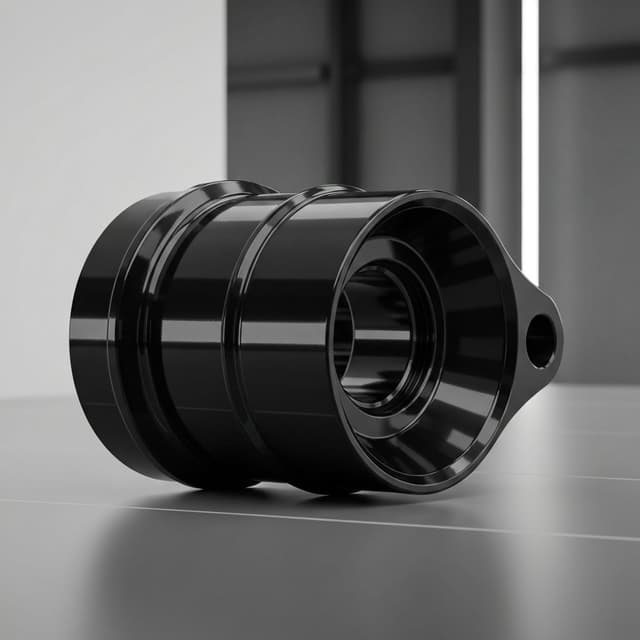
Glossy
80 to 95 units
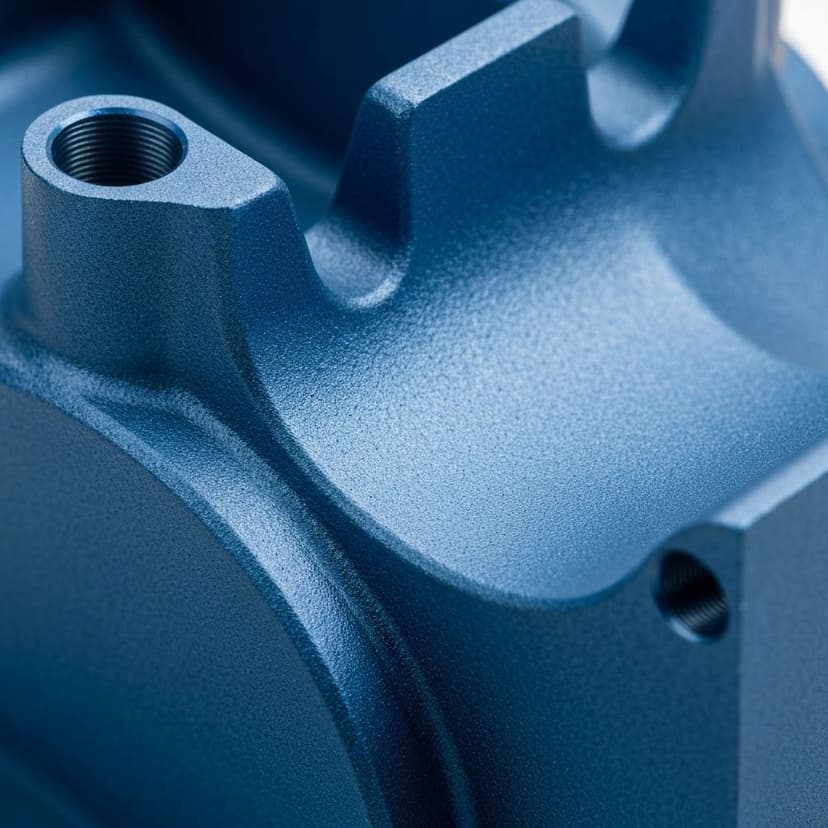
Example of a powder coated part

Design considerations for powder coating
Hanging and jigging marks: Powder coating involves suspending parts via a "jig" or "rack." This will leave marks on your part where powder coating wasn't possible. If there are areas where you can't accept "jig" marks, please remember to include a technical drawing indicating these areas.
Masking: Remember to indicate in your CAD file whether you want specific part areas to be masked or plugged. As material is applied to the surface during powder coating, all threaded and reamed holes or other critical-to-function surfaces are plugged or masked as standard.
Tolerances: Tolerances are met before the coating finish. We recommend that you ask for clarifications about masking as needed.
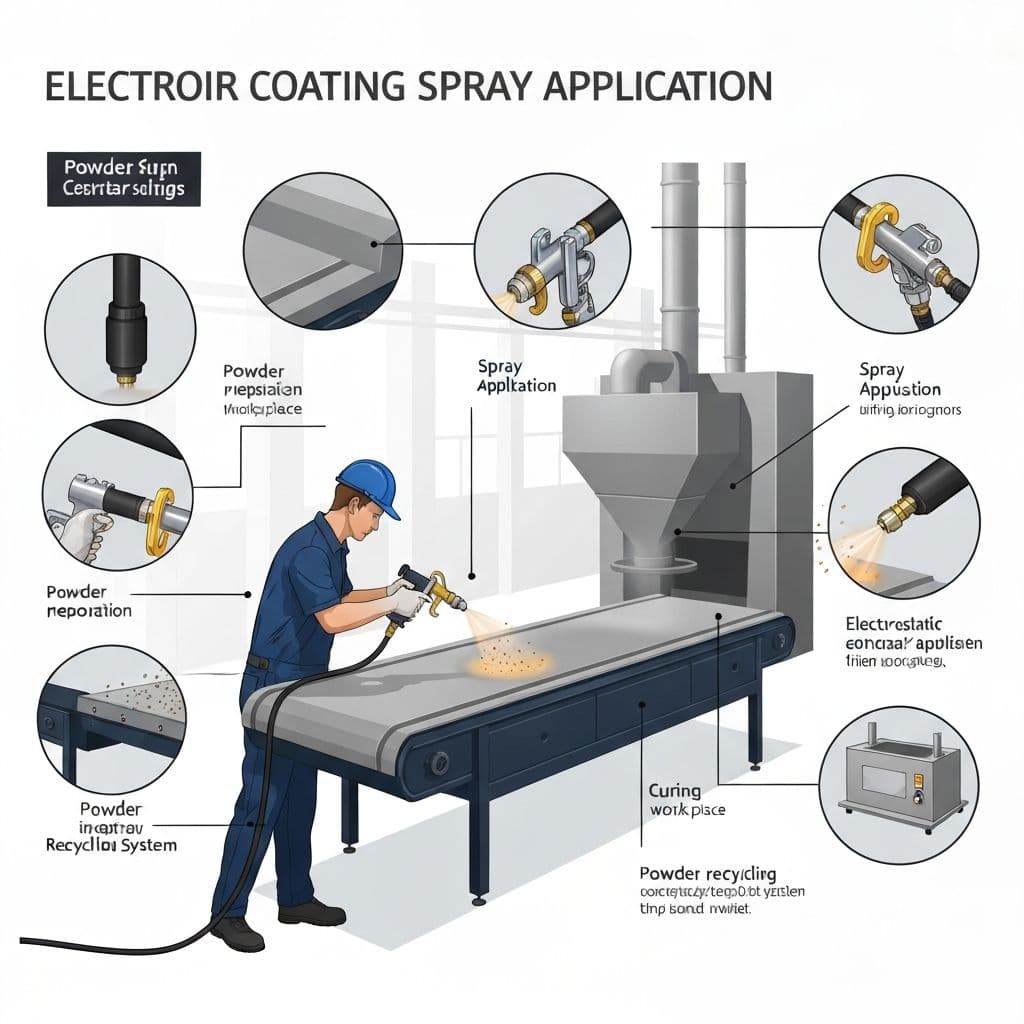
The Metal Market powder coating process
Powder coating is a strong, wear-resistant surface finish that is compatible with all metal materials.
Here's how to apply powder coating:
- Clean parts to remove inorganic contaminants
- To enhance performance and quality, pretreat parts with a conversion coating
- Rinse and dry parts in an oven
- Mask critical areas to prevent tolerance issues
- Coat parts with an electrostatic spray gun
- Dry parts in an oven to cure the coating